Iran weighs US reply delivered via Pakistan as Trump signals opposition to deal terms
Iran wants an end to the US blockade; nuclear talks postponed.
President Donald Trump has made an Iran nuclear deal a priority.
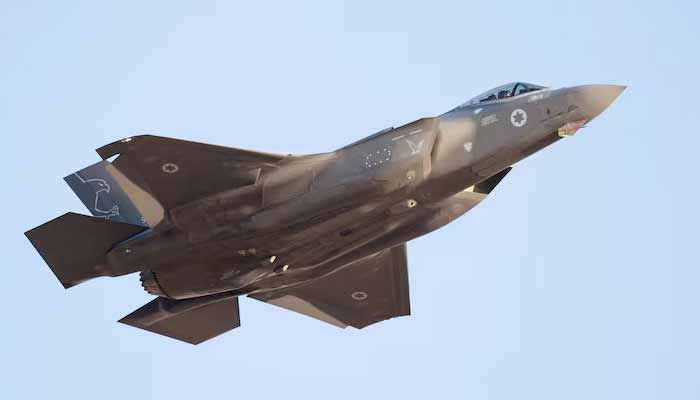
The United States and Israel have paused bombing for four weeks.
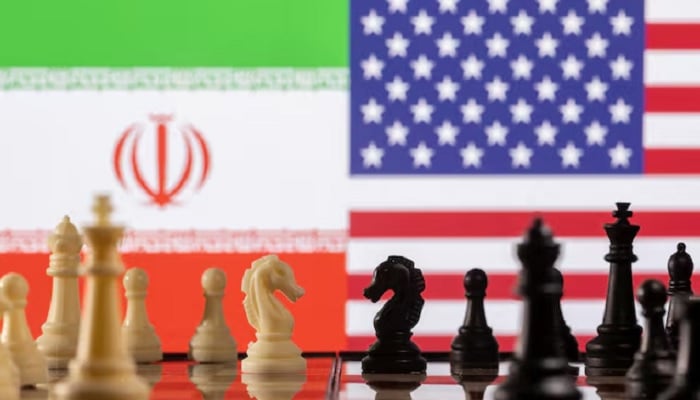
Iran said on Sunday it had received a US response to its latest proposal for peace talks, a day after Trump indicated he would likely reject the Iranian offer, saying “they have not paid a big enough price.”
Iranian state media reported that Washington conveyed its response to Tehran’s 14-point proposal via Pakistan, and that Iran is currently reviewing it. There has been no immediate confirmation from Washington or Islamabad.
“At this stage, we do not have nuclear negotiations,” Iranian Foreign Ministry spokesperson Esmaeil Baghaei said, suggesting Iran wants to delay nuclear talks until after the war ends and mutual blockades in Gulf shipping are lifted.
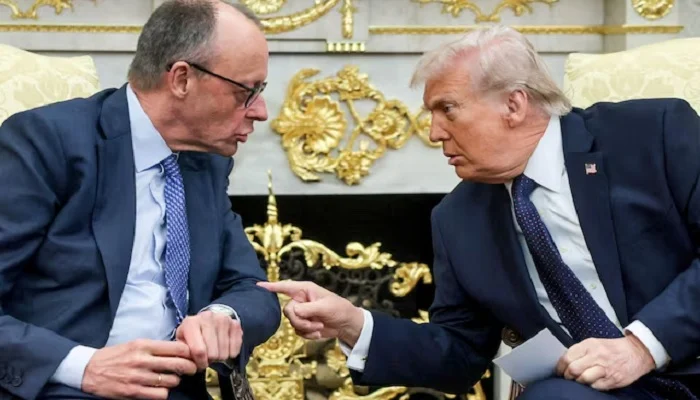
On Saturday, Trump said he had not yet reviewed the exact wording of Iran’s proposal but was inclined to reject it.
“I will soon be reviewing the plan that Iran has just sent to us, but can’t imagine that it would be acceptable,” he wrote on social media, adding that Iran had “not yet paid a big enough price.”
Strait under pressure
The United States and Israel suspended their bombing campaign against Iran four weeks ago, and officials from both sides held one round of talks. However, efforts to arrange further meetings have stalled.
Iran submitted its latest proposal on Thursday. A senior Iranian official said Tehran aims to first end the war and resolve the shipping crisis, postponing nuclear negotiations to a later stage.
Although Trump initially expressed dissatisfaction with the proposal, he later said he was still considering it.
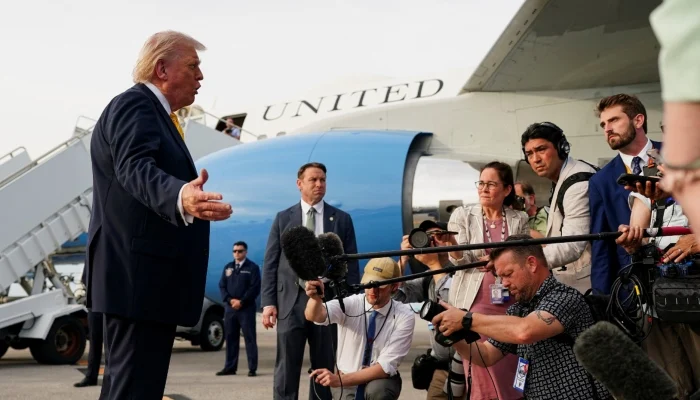
“They told me about the concept of the deal. They’re going to give me the exact wording now,” he said. Asked about the possibility of renewed strikes, he responded that it “could happen.”
Iran’s proposal vs US demands
Iran’s suggestion to delay nuclear discussions appears to conflict with Washington’s stance that strict limits on Iran’s nuclear programme must be agreed before ending the war.
The US wants Iran to give up more than 400 kg of highly enriched uranium, which it says could be used for nuclear weapons. Iran maintains its programme is peaceful but is open to certain restrictions in exchange for sanctions relief, similar to the 2015 nuclear agreement that Trump later withdrew from.
Despite saying he is in no rush, Trump faces domestic pressure to resolve disruptions in the Strait of Hormuz, where tensions have affected roughly 20% of global oil and gas supplies and increased US fuel prices.
Iranian media reports that Tehran’s proposal includes: withdrawal of US forces from nearby areas, lifting the blockade, releasing frozen assets, compensation payments, removal of sanctions, ending conflicts on multiple fronts including Lebanon, and establishing a new monitoring mechanism for the strait.
Iran has restricted most Gulf shipping for over two months, while the US imposed its own counter-blockade last month.
A senior Iranian official, speaking anonymously, said delaying nuclear talks is meant to create a more favorable environment for a broader agreement.
Lebanon tensions rise
On Sunday, Israel ordered evacuations in southern Lebanon, escalating tensions in a parallel conflict involving Iran-backed Hezbollah.
Iran has said talks with Washington cannot resume unless a ceasefire also holds in Lebanon. Israel had launched operations there in March after cross-border attacks by Hezbollah.
Although a separate truce between Lebanon and Israel was agreed last month, low-level fighting has continued.
The Israeli military issued warnings to residents of 11 villages in southern Lebanon, urging evacuation to areas at least 1,000 metres away, citing operations against Hezbollah and risks to civilians near its positions.
About the Author