Tehran says Washington must decide between diplomacy and continued confrontation amid the risk of renewed conflict.
Trump Reviews Iran’s 14-Point Proposal as US-Iran Tensions Persist Over Nuclear Dispute
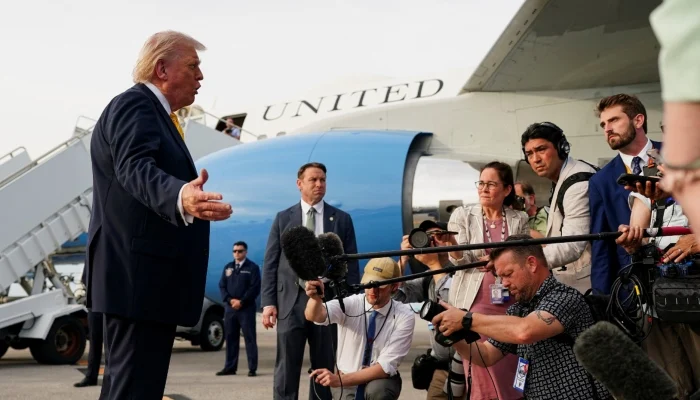
US President Donald Trump speaks to reporters before boarding Air Force One at Palm Beach International Airport on May 2, 2026. — Reuters
- Iran submits a 14-point peace proposal via Pakistan to end conflict
- Dispute over Iran’s nuclear programme and uranium enrichment rights continues
- US signals possible military action if Iran escalates tensions
US President Donald Trump said he will review a new peace proposal submitted by Iran but expressed skepticism about its acceptance, while leaving open the possibility of future military action.
The proposal comes as US-Iran negotiations remain stalled following a ceasefire that took effect on April 8. A recent round of peace talks held in Pakistan failed to produce a breakthrough, prolonging uncertainty after more than two months of conflict.
According to Iranian media outlets, Tehran submitted a 14-point plan to mediator Islamabad aimed at ending hostilities across multiple fronts. The proposal reportedly includes a new framework for managing the strategically vital Strait of Hormuz, a key global energy transit route.
“I will soon review the plan Iran has sent, but it may not be acceptable,” Trump said, adding that Iran has not “paid a big enough price” for its past actions.
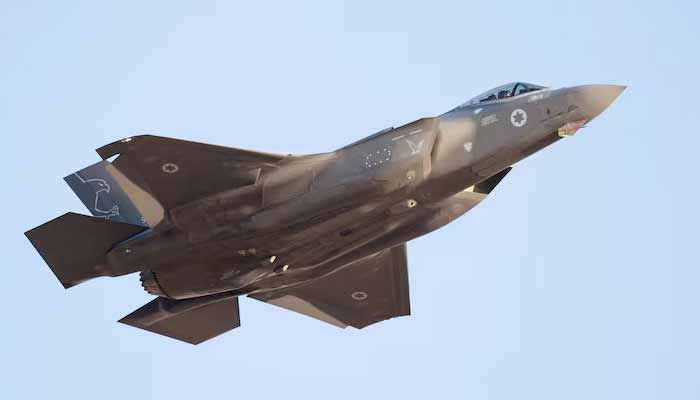
Speaking briefly in West Palm Beach, Florida, Trump declined to outline specific triggers for renewed US military action but warned, “If they misbehave… it’s certainly a possibility.”
Senior Iranian military official Mohammad Jafar Asadi warned that renewed conflict between Iran and the United States remains likely, citing a lack of trust in US commitments.
Meanwhile, Deputy Foreign Minister Kazem Gharibabadi stated that Washington must choose between diplomacy and continued confrontation, adding that Iran is prepared for both scenarios.
Tensions also persist over Iran’s nuclear programme. Reports indicate US envoy Steve Witkoff has pushed to bring Tehran’s nuclear activities back into negotiations. Iran, however, has defended its uranium enrichment, arguing it remains within international legal frameworks under UN nuclear oversight.
The conflict has significantly impacted global energy markets, with oil prices rising nearly 50% above pre-war levels. Iran continues to exert control over the Strait of Hormuz, restricting the flow of oil, gas, and other essential resources.
Domestically, Iran faces mounting economic pressure, with inflation exceeding 50% and exports declining. Meanwhile, regional tensions remain high, with ongoing clashes involving Israel and Hezbollah in southern Lebanon despite a separate truce.
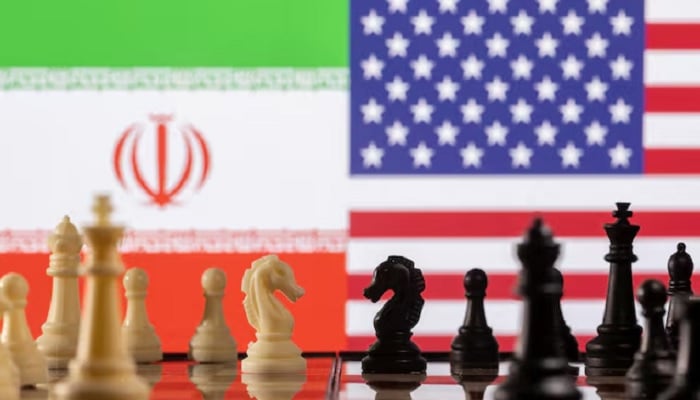
As geopolitical uncertainty deepens, the future of US-Iran relations hinges on whether both sides choose diplomacy or escalation.
About the Author


2 thoughts on “Trump says US not likely to accept The new Iran peace proposal”